
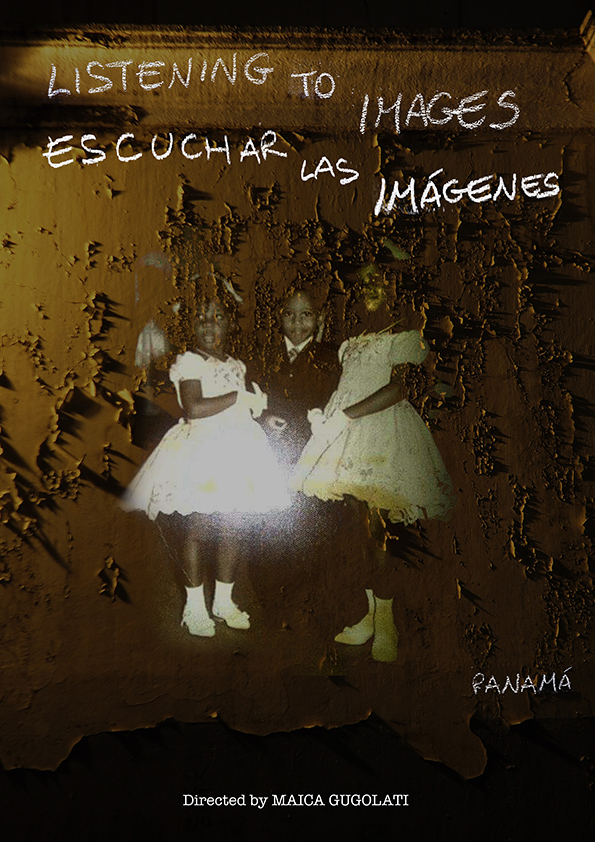
This experimental documentary is based
on research-based fieldwork (Dec 2022-Jan 2023) where seven Panamanian families of West Indian descent (Jamaica, Martinica, Barbados, Trinidad, and Guyana) between Panama City and Colon, agreed to meet and share their family memories about being migrant workers who, in the XIX century, built the Panama Canal.
With a dedication to Tina Campt’s (2017) book with the same title as this project, it invites, as the author does, to metaphorically “listen” to family archives and photography of that specific historical time. The institutional presence of this nowadays Panamanian community depended on colonial and imperial Canal’ visual narrative and visual construction, and power propaganda. The West Indies Silver Workers were usually depicted exclusively during their labor time and asked to pose for those archival imaginaries. Nowadays, most West Indian descent families have lost their family photos due to post-Canal construction transnational migrations, the USA occupation- war in Panama, and the forced displacements from the Area Repartida, which the families faced. This project wishes to challenge the archives’ classic visual and bidimensional repository meaning, creating plural sensory registers to represent his- and her-stories guarded in memories of private family albums. It is a way to decolonize the institutional meaning of existence through affection, emotions that overcome the historical attempt of censorship and the historical danger of oblivion.
This poetic documentary develops the synesthetic and emotional memories these families keep. It works poetically on the absence of material culture, such as the disappearance of photographs, the sense of loss, death, and pain, but also the joy the family members “listened” to when connecting with those absences.